


Weighing Up the HMDD Shorts versus the Sweatpants: What Works Best For Your Daily Routine
The choice between HMDD shorts and HMDD sweatpants goes further than seasonal conditions. Rather, it’s about the way you spend your hours, what your wardrobe still lacks, and which shape suits the mood behind the HMDD brand — Happy Memories Don’t Die — something countless buyers are searching for in 2026. Both categories share the same DNA: easygoing cuts, street-style-driven cuts, along with the kind of quiet branding that lets the garment speak rather than a loud emblem. Yet the two pieces solve different problems. Here, we unpack the real-world distinctions so you can figure out which deserves a lasting place in your wardrobe, or whether you need both.
Since the brand doesn’t overpromise, HMDD has earned a name among those searching for an HMDD review before committing to buy. It’s positioned as casual staples with a sentimental undertone — its very name, happy memories dont die, signals a brand rooted in warmth and remembrance as opposed to rapid fast-fashion turnover. Two of the most searched products are shorts and sweatpants, and each answers a different lifestyle rhythm: one built for warmth and stillness, the other for movement and airflow.
What HMDD Shorts Are Made For
HMDD’s shorts line are designed around multi-use function first. Be it an errand, a gym session, or lounging with the AC on, they deliver equally well because they sit in that in-between zone of athletic-casual wear. Landing at or just above the knee, the fit stays current while avoiding either extreme of the short-length spectrum. Throughout the HMDD line, this in-between proportion has turned into a signature feature — pieces that don’t chase micro-trends but instead settle into a proportion that ages hmdd la tee well across seasons.
Fabric weight is a key factor here. Shorts are essentially a hot-weather or in-between-season item, while HMDD’s approach prioritizes airy cotton-blend builds that keep their structure after repeated washes. If your days are full of movement — taking the dog out twice daily, squeezing in a 6 a.m. workout, or passing afternoons outdoors — shorts cut down on friction, in both a literal and figurative sense. They also pair well under longer outer layers in cooler seasons, and this extends their period of usefulness beyond just summer.
In terms of putting outfits together, the HMDD shorts team up well with the label’s graphic tees and hoodies, producing a pulled-together look without needing to try hard.
For shoppers looking into best HMDD clothing picks for a first purchase, shorts are frequently pointed to as a good starting piece because sizing leans more lenient than closer-cut bottoms, and pricing generally lands below the sweatpants owing to reduced material needed to make them.
The HMDD Sweatpants’s Purpose, Unpacked
HMDD sweatpants fulfill an entirely different function. They’re built for insulation, comfort that lasts the whole day, and a looser cut that reads more “lifestyle” than “performance gear.” HMDD sweatpants typically feature a tapered leg with an elastic or drawstring waist, and the material thickness runs denser — often a midweight cotton blend that traps heat effectively during the chillier season.
This makes sweatpants the better choice for anyone whose daily routine involves more sitting than moving: remote workers, students in lecture halls, or those after a go-to outfit for chilly mornings and late evenings. What you sacrifice is airflow. Unlike shorts, sweatpants weren’t made for intense movement, so if your day includes being out and about in 75-degree warmth, sweatpants will work against you rather than for you.
In terms of perceived value per wear, sweatpants have the edge. Because they’re worn across more months of the year in most climates — think October through March in temperate regions — sweatpants frequently come out ahead on cost-per-wear despite a steeper initial price. Sweatpants from HMDD likewise carry more of the label’s signature flair, like embroidered text referencing happy memories don’t die, since the larger fabric surface area gives designers more room to work with.
A Head-to-Head Breakdown
| Category | HMDD Shorts | The HMDD Sweatpants Line |
|---|---|---|
| Ideal season | Spring through early fall | Autumn into winter |
| Fabric weight | Lightweight cotton blend | A fleece blend ranging from midweight to heavy |
| Typical use case | Movement-heavy days, warm errands, workouts | Lounging, remote work, cold-weather commutes |
| Ability to layer | High — pairs under longer outerwear | Fair — adds bulk under snug layers |
| Branding visibility | Smaller logo placements | More surface area for embroidery/print |
| Cost-per-wear in a standard climate | Used less often, tied to season | Higher frequency across colder months |
Pairing the Piece with Your Daily Routine
Should your routine revolve around motion — commuting on foot, training, or spending time outdoors — shorts are the more practical investment. They keep you cooler and let you move more freely, which matters more than people initially expect once someone’s pushed through a workout in overly tight bottoms. On the other hand, if comfort while staying still defines your routine, whether that’s handling remote work from home or spending weekends catching up on errands indoors, sweatpants provide the more dependable return.
Climate is the other deciding factor, and it’s often underestimated. Someone living somewhere with mild winters might get away with wearing HMDD shorts nine months out of twelve, while someone in a colder region might reach for sweatpants five days a week from November onward. This is why many repeat customers researching HMDDLA and the wider HMDD clothing catalog end up owning both — not as a redundant purchase, but as a seasonal rotation strategy that keeps their wardrobe functional year-round.
Often missed is the role physique and individual comfort levels also have. Shorts, by nature, expose more leg contour and length, which some shoppers prefer and others don’t. Even as trends change drastically each year, sweatpants have stayed a closet essential, in part because their looser drape tends to be kinder across a broader spectrum of body shapes.
How to Preserve Wear Resistance via Careful Care
Both pieces respond well to typical cold-wash, low-heat-dry care, but how they age sets them apart.
During the hottest stretch of the year, shorts made from lighter cotton blends, if worn multiple times a week, may wear down more quickly at the hem and pocket seams—mostly because of higher friction from movement and extra laundering.
These sweatpants, because of their thicker fleece build, resist shape loss over more wear, though they’re more apt to pill at the inner thigh area when machine-dried repeatedly on a high-heat cycle.
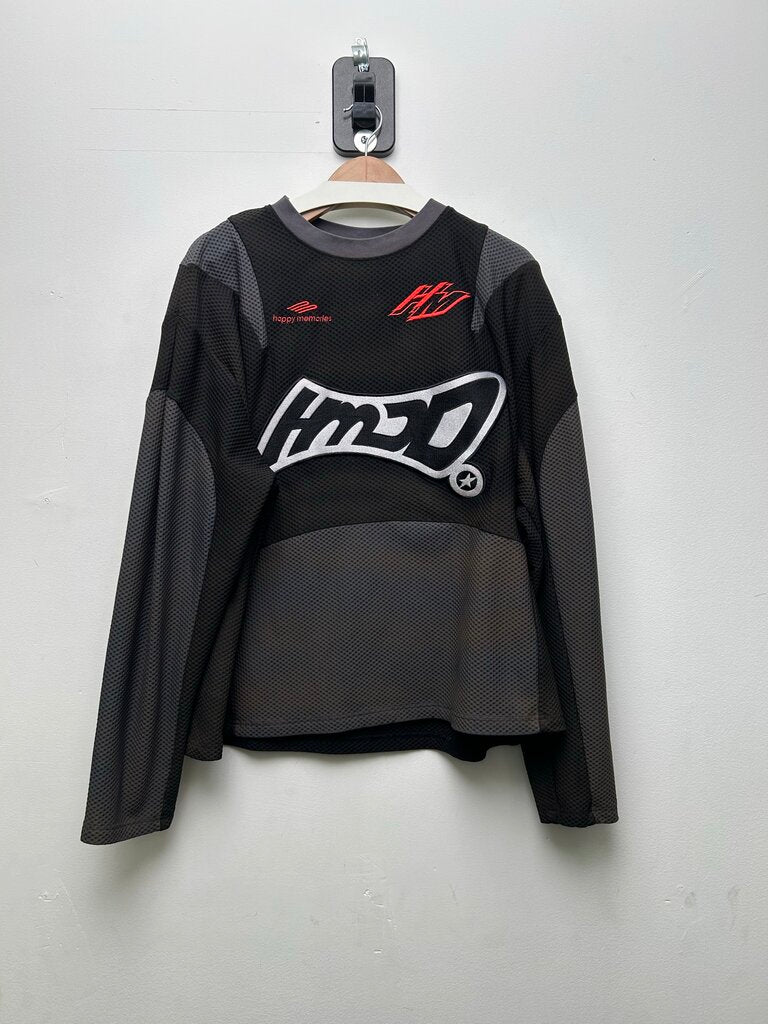
For anyone serious about extending the life of either piece, air-drying is the more reliable method, even though it takes longer. This is a small detail that rarely comes up in a typical HMDD review, but it makes a measurable difference over a 12-month ownership period. Rotating between two or three pairs of whichever product you buy more of also reduces the wash frequency per item, which slows fabric breakdown considerably.
Our Final Take on Which Item You Should Snag First
There’s no universal answer, but there’s a sensible method to decide. When you’re putting together a capsule wardrobe from scratch and have budget for only one type of item currently, ground your choice in the season you’re in plus how active your daily routine is rather than aesthetic preference alone. For someone shopping in March or April, shorts deliver more immediate use, while for someone browsing in October, sweatpants are the better pick.
If you’ve already gotten to know HMDD clothing and want to broaden your collection, rather than leaving a seasonal hole, picking up one of each gives you a more complete year-round system. Since the brand keeps sizing and material standards consistent across both categories, you’re deciding based on function rather than risk. Either way, both items reflect the same underlying philosophy driving the brand: ease, longevity, and clothing meant for everyday life, not merely admired from a distance.